

Resin Bound vs Block Paving: An Honest Comparison
We install both, so we have no reason to push you either way. Both make excellent driveways when installed properly - they just suit different homes, budgets and priorities.
By Quantock Paving Ltd — driveway and patio installers serving Somerset, Bristol and selected Devon locations.
Looks and character
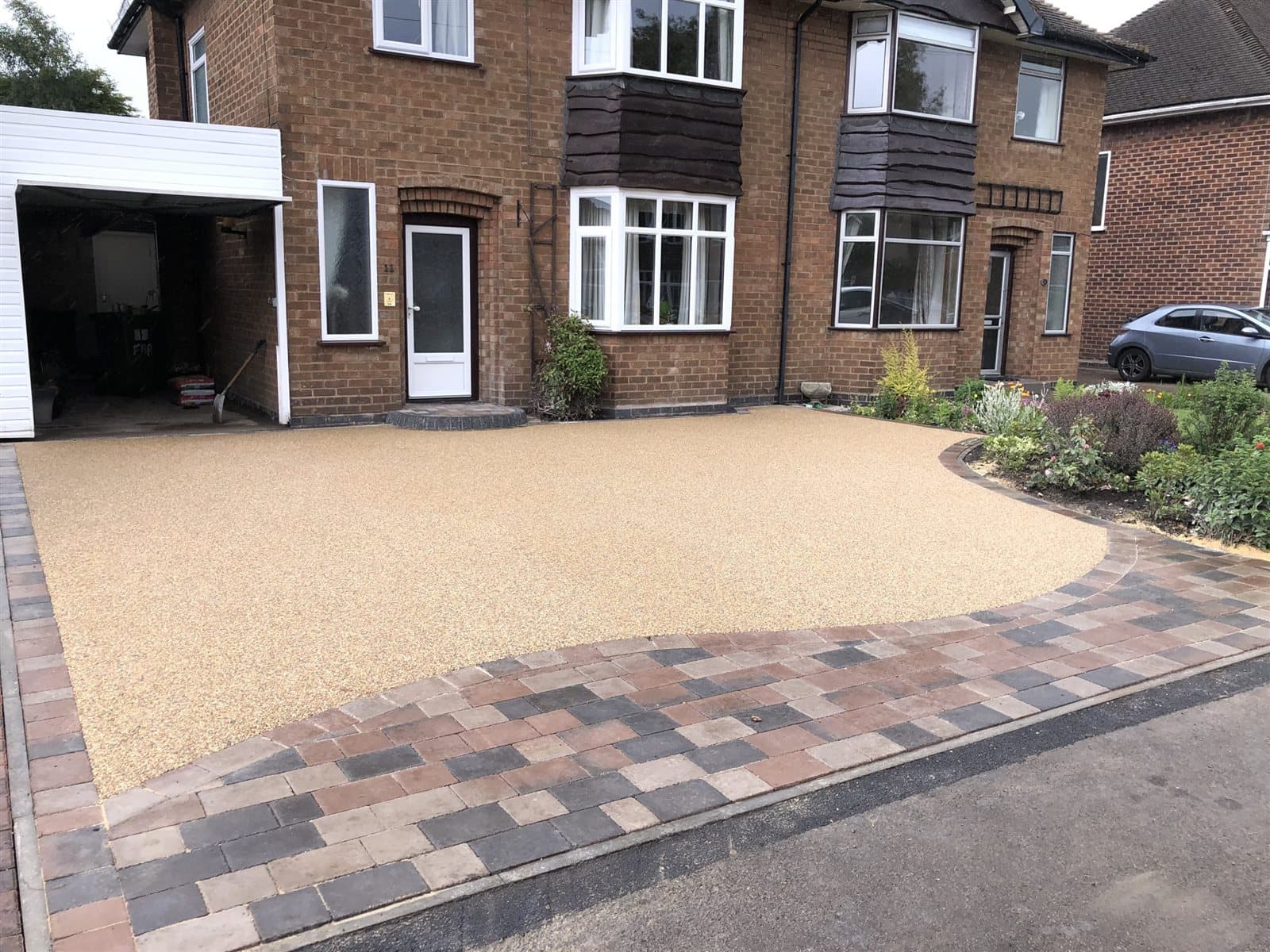
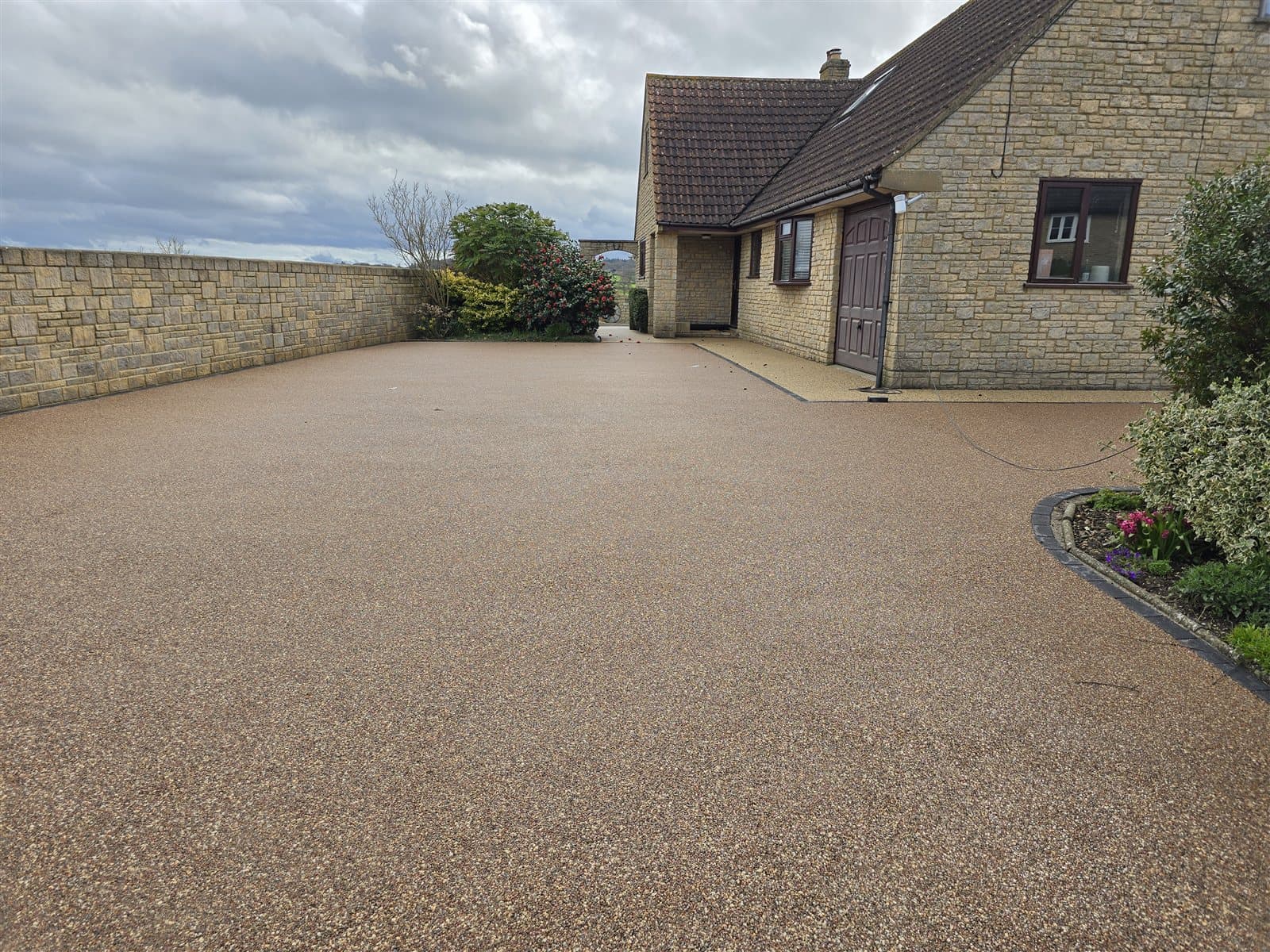
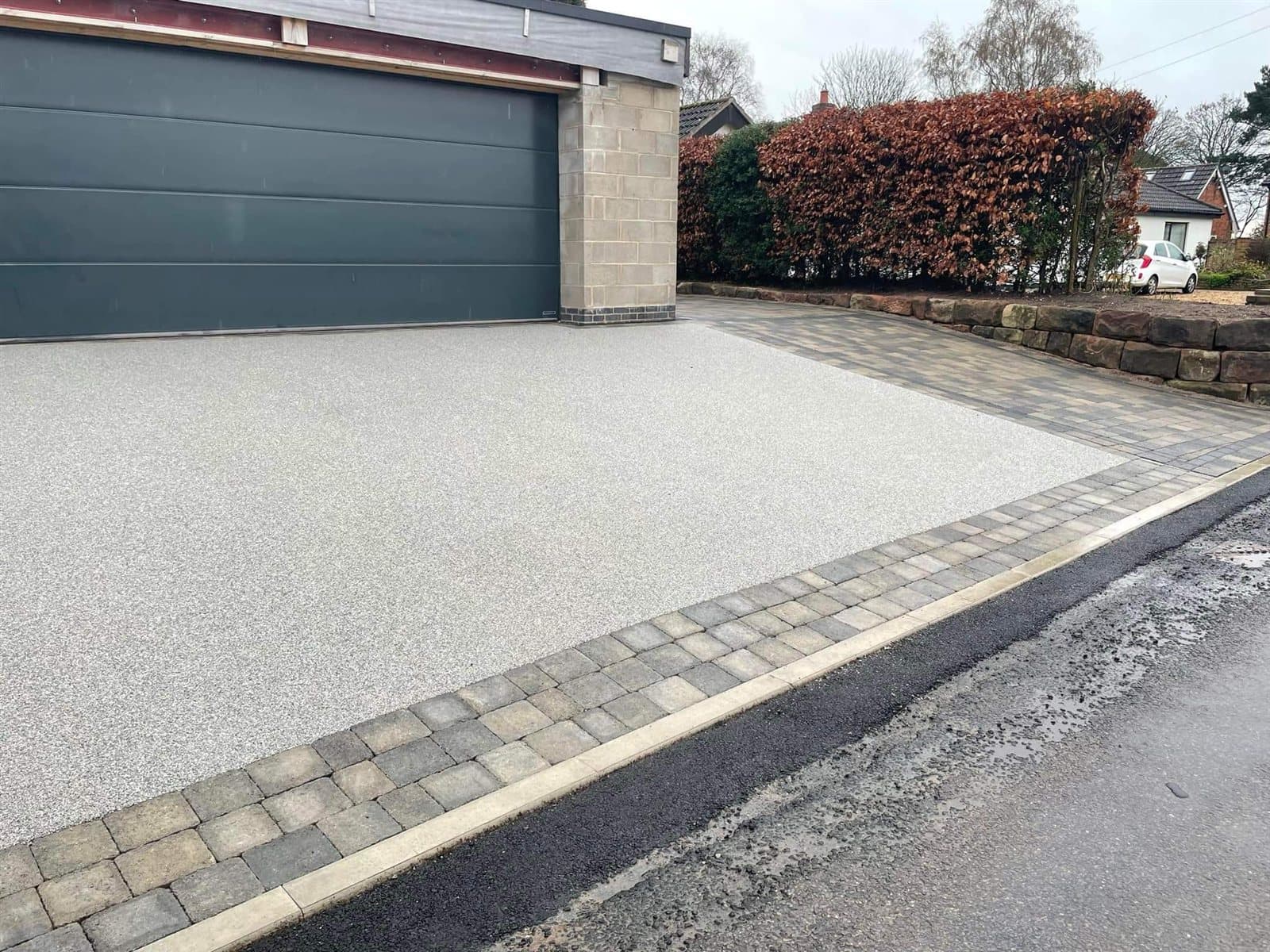
Resin bound gives a smooth, seamless, modern surface that flows around curves and features - it suits contemporary homes and anyone who wants a clean, uninterrupted look.
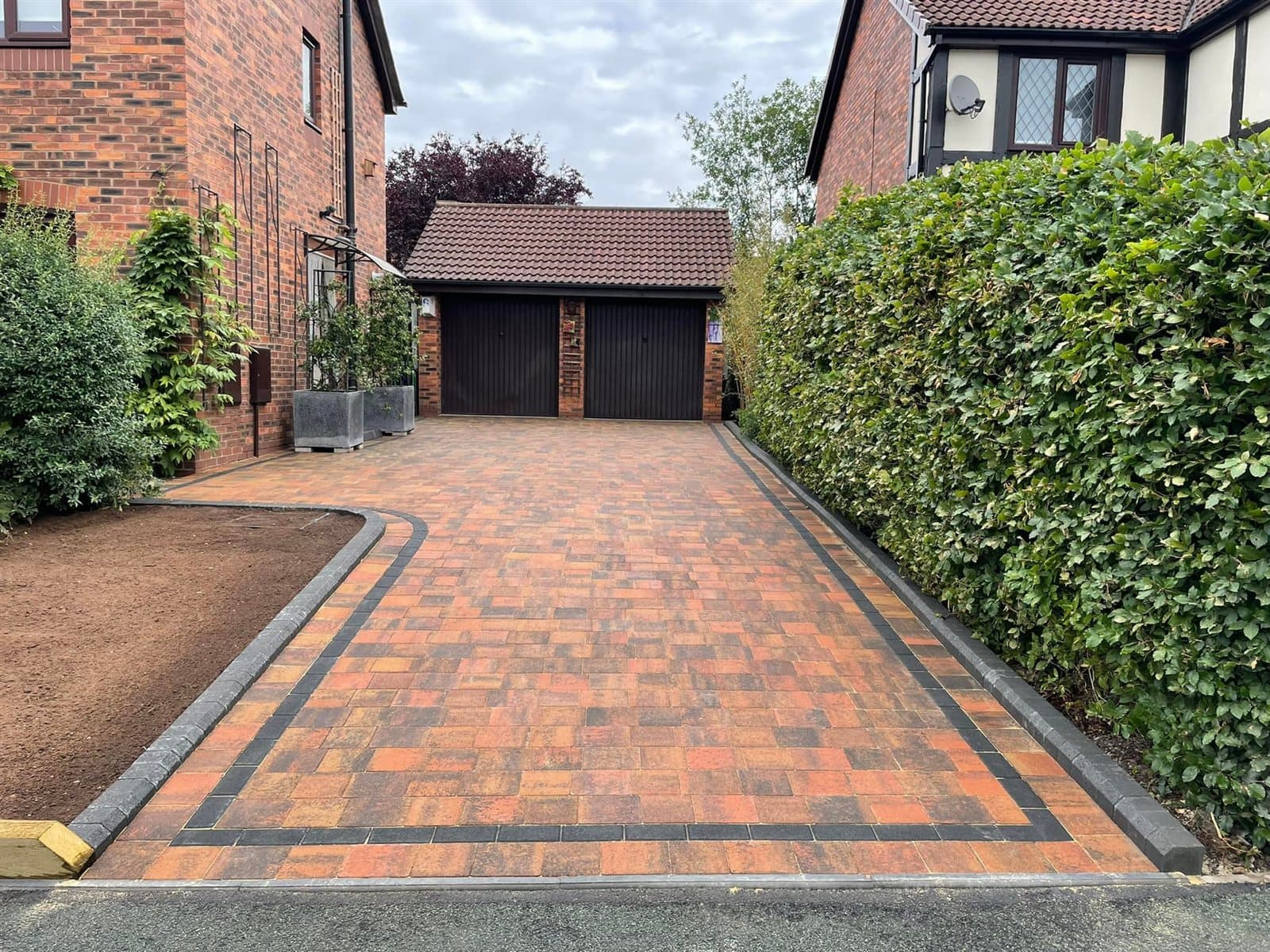
Block paving gives pattern, texture and a more traditional character, with borders and contrasting details. It tends to suit period properties and anyone who likes a classic driveway look.
Maintenance
Resin bound is the lower-maintenance option: no joints means nowhere for weeds to root, and upkeep is a sweep and an occasional rinse.
Block paving needs a little more: jointing sand washes down over time and wind-blown seeds can root in the joints. An occasional re-sand and an optional seal keep it looking sharp.
Repairs
This is block paving's trump card: individual blocks can be lifted and relaid almost invisibly if a patch ever sinks or a service trench is needed.
Resin bound can be patch-repaired, but matching weathered colour exactly is harder - a repair may be visible up close.
Drainage and planning
Resin bound is naturally porous, and on a permeable build-up it satisfies front-garden drainage rules by itself. Block paving manages water through falls and channels, or via specific permeable block systems.
The honest summary
Choose resin bound for the smoothest modern look and minimal upkeep. Choose block paving for traditional character, pattern options and the easiest long-term repairability. Both depend completely on what's underneath - the sub-base and drainage matter more than the surface you pick.