

Driveway Drainage: Why It Matters More Than the Surface
Water is the main thing that destroys driveways. It undermines bases, freezes in cracks, floods garages and breeds moss. Every driveway we build starts with one question: where is the water going to go?
By Quantock Paving Ltd — driveway and patio installers serving Somerset, Bristol and selected Devon locations.
Falls: the invisible design work
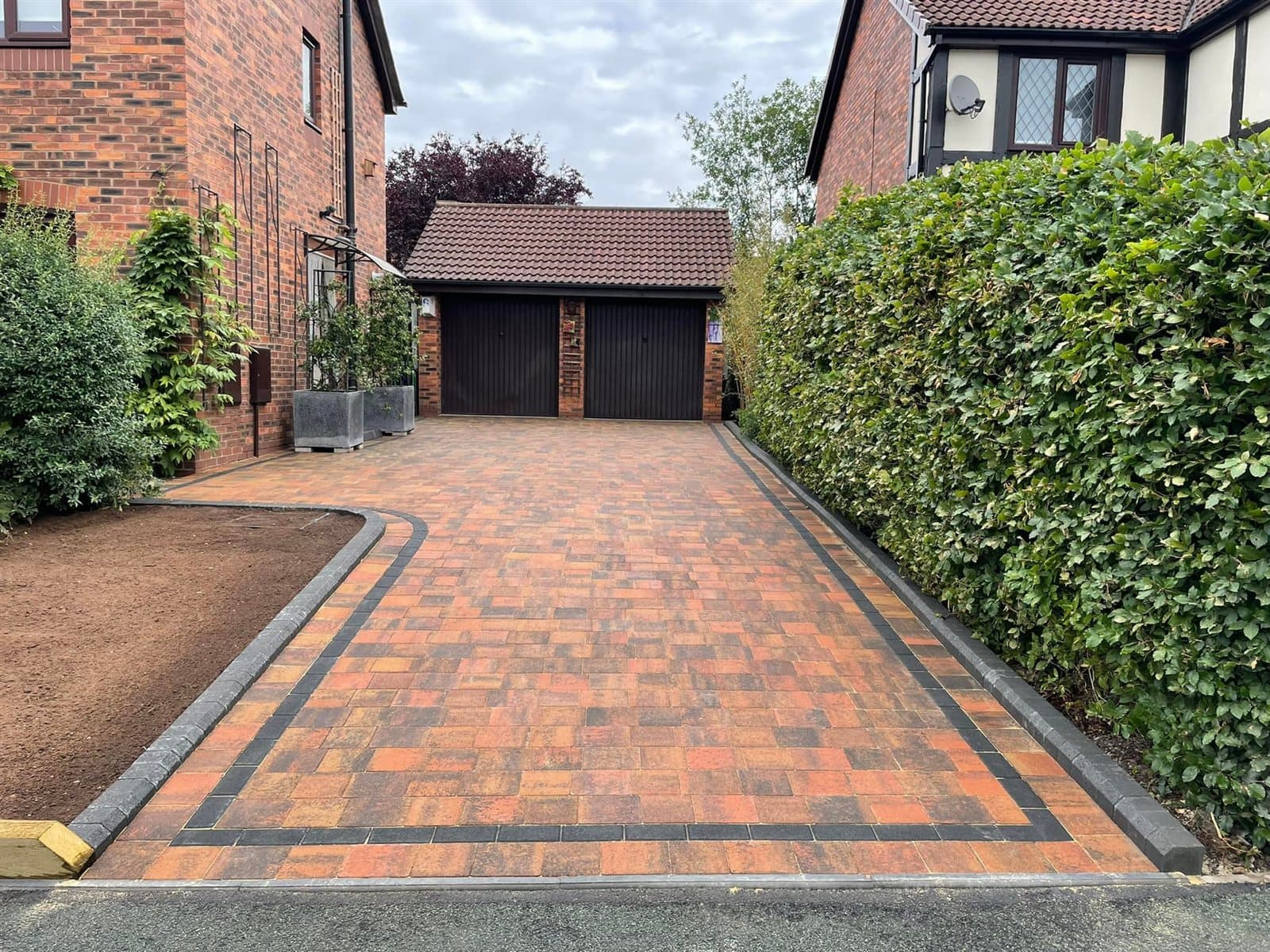
Every solid surface needs to be laid with a deliberate slope - a 'fall' - so water runs where you want it: towards a lawn, a channel or a drain, and never towards the house or garage. Puddles on a drive mean the falls were wrong or the surface has settled.
ACO channels: the garage-flood fix
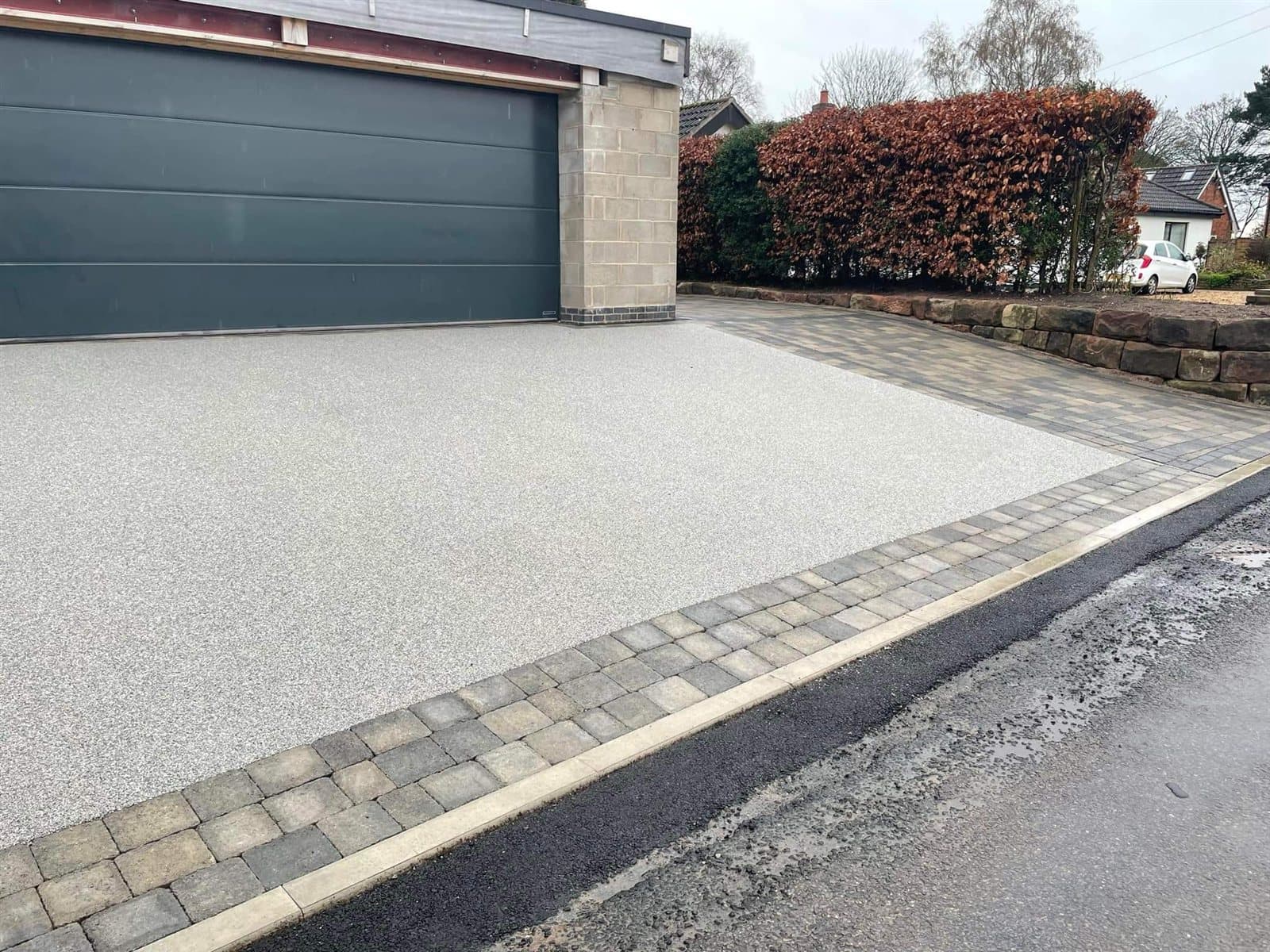
A linear channel with a grating, set across a garage threshold or the bottom of a slope, intercepts running water before it gets where it shouldn't. If your garage floods in heavy rain, this is almost always the answer.
Permeable surfaces and the planning rules
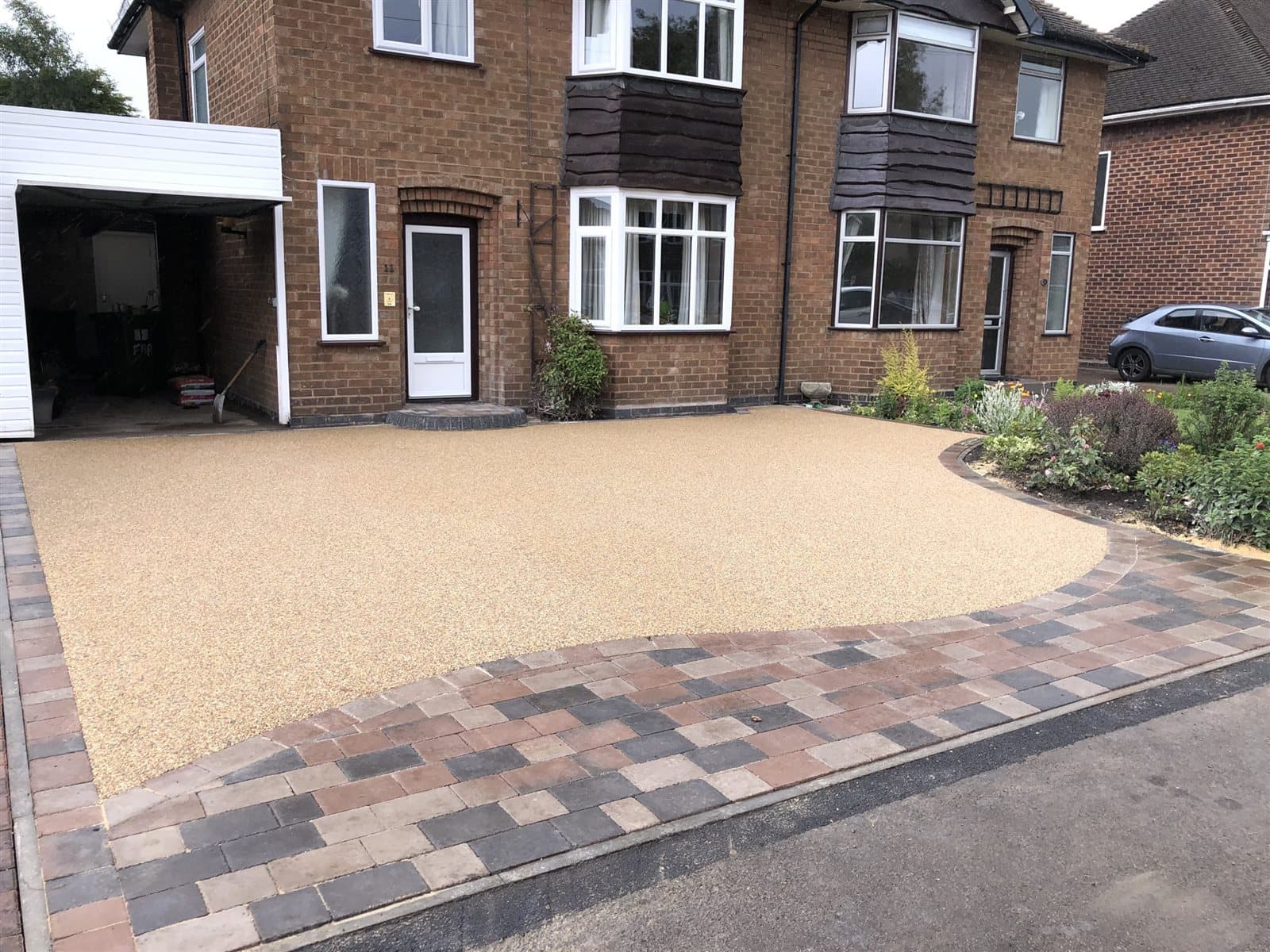
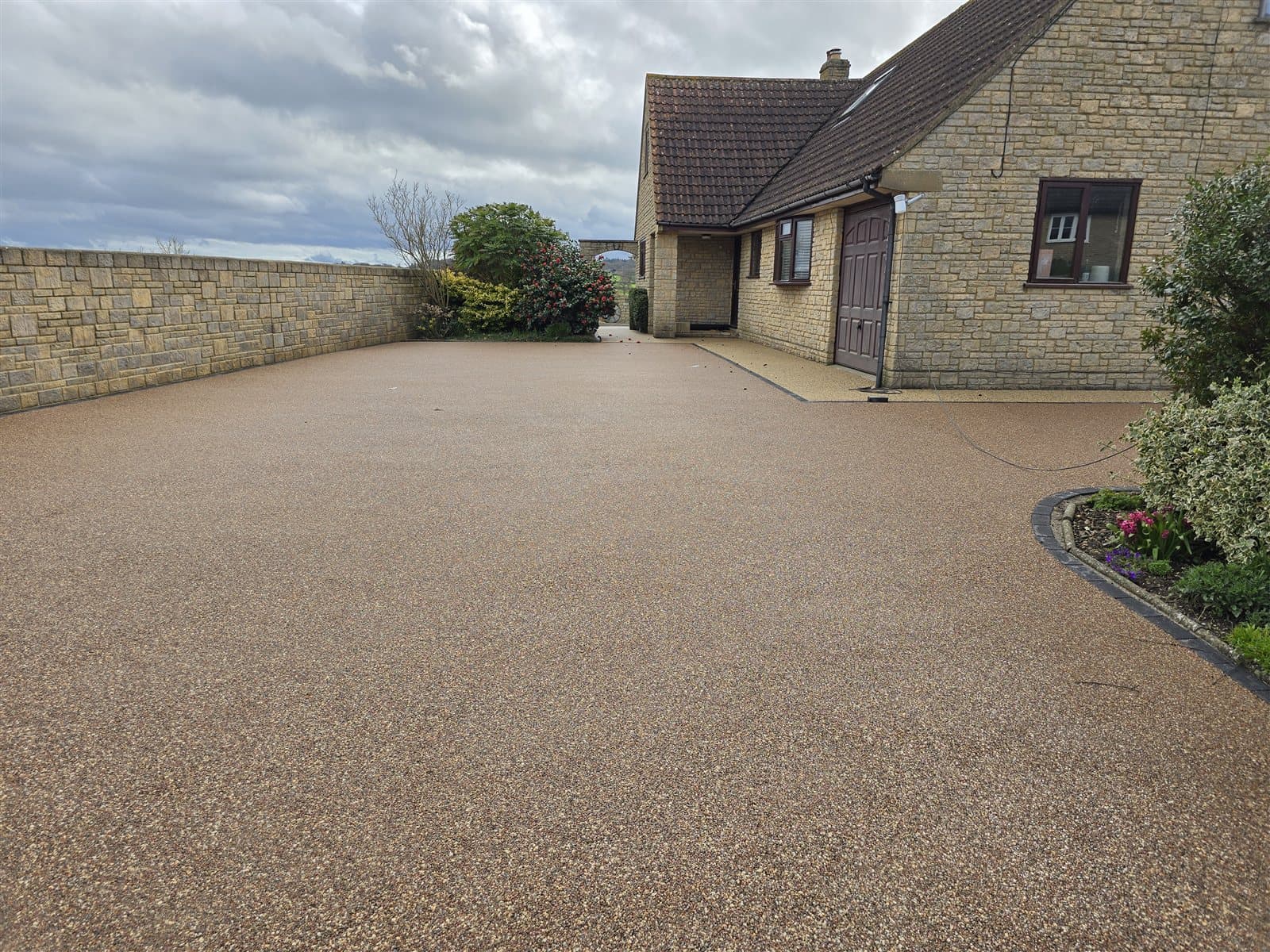
New front-garden surfaces over five square metres must be permeable or drain within your property - otherwise you need planning permission. Resin bound on a permeable base, permeable block systems, or solid surfaces falling to a lawn or soakaway all comply. We design for this as standard, so it's never your problem.
What happens when drainage is skipped
Water that can't escape sits in the base, softens it, and the surface above sinks and cracks. In winter it freezes and forces joints apart. A driveway quote that doesn't mention drainage is a quote for a driveway that won't last - it's one of the best quick tests of an installer.