

Tarmac Driveway Costs: What You're Really Paying For
Tarmac is usually the most cost-effective way to surface a larger driveway, but 'cheap tarmac' and 'tarmac that lasts' are two very different products. The difference is almost entirely in the preparation and the number of layers - here's what you're paying for.
Why tarmac is often the best value per square metre
For larger areas - long drives, farm and commercial entrances, shared accesses - tarmac usually works out cheaper per square metre than resin or block paving, and it's laid quickly once the base is ready. That makes it the practical choice where you need to cover a lot of ground affordably.
The base and the courses are the cost
A lasting tarmac drive needs a properly excavated, compacted MOT Type 1 sub-base, then a binder (base) course and a finer surface (wearing) course on top, each rolled while hot. The cheap version skips the base course, lays thin, and looks fine for a year before it ruts and cracks.
- • Excavation depth and muck-away
- • Compacted MOT Type 1 sub-base
- • Binder course plus a separate surface course (not a single thin layer)
- • Edge detailing - block, brick or concrete edging to restrain the tarmac
- • Drainage and correct falls
What changes the price on your job
Beyond area and courses, the variables are mostly about the existing ground and access:
- • Whether an old surface needs breaking out first
- • Ground conditions and how much sub-base build-up is needed
- • Access for the tar wagon, roller and skips
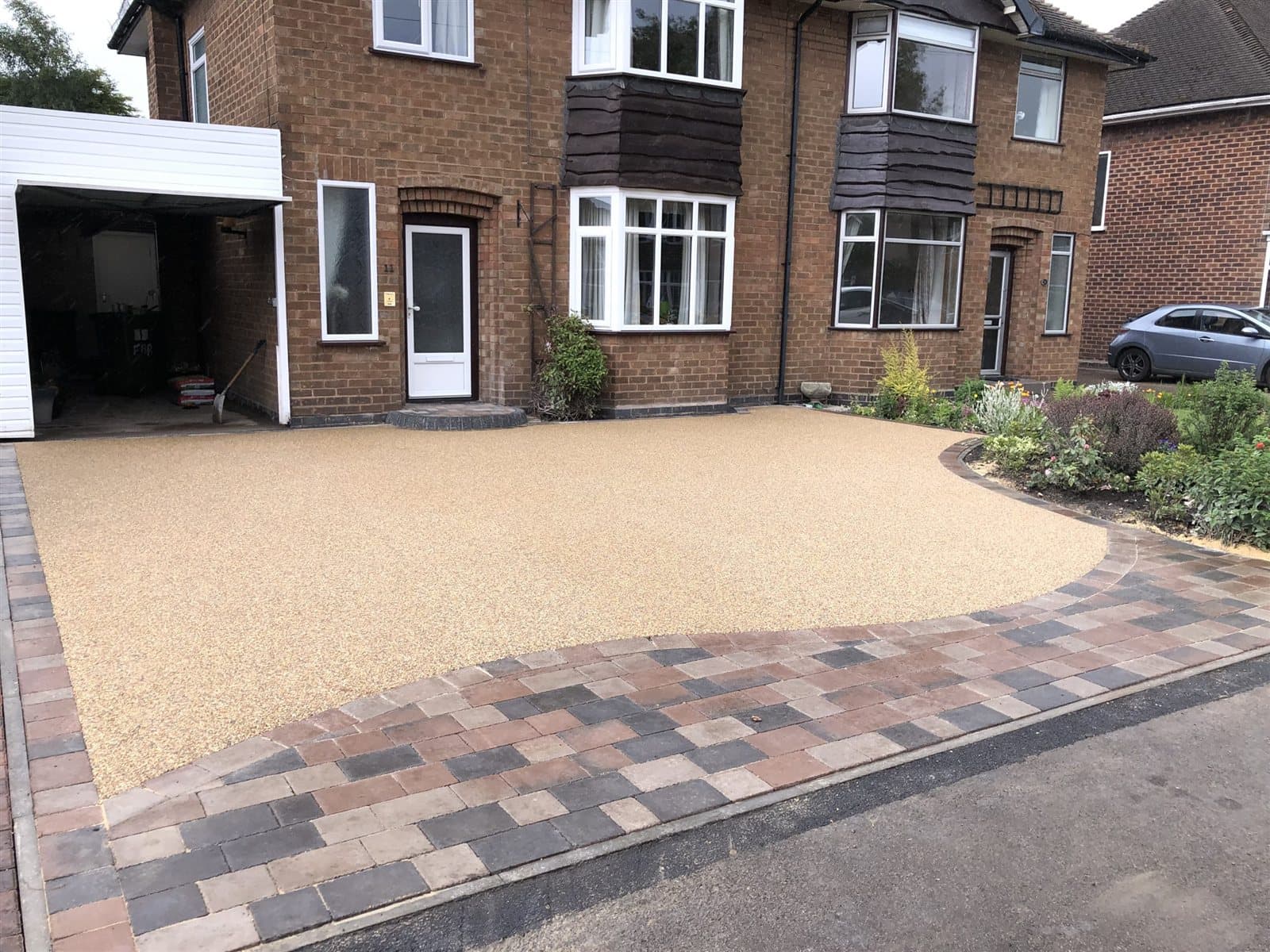
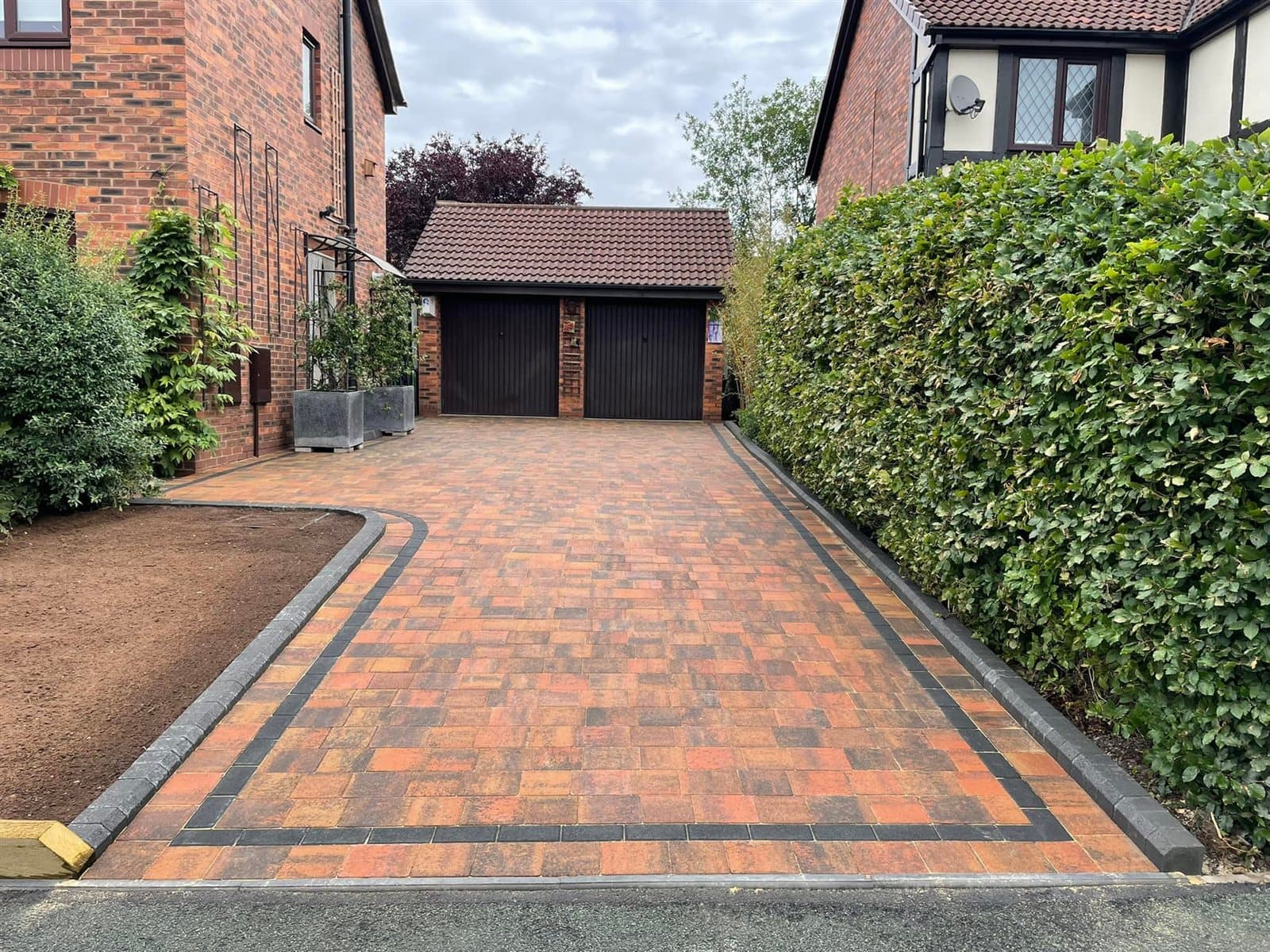
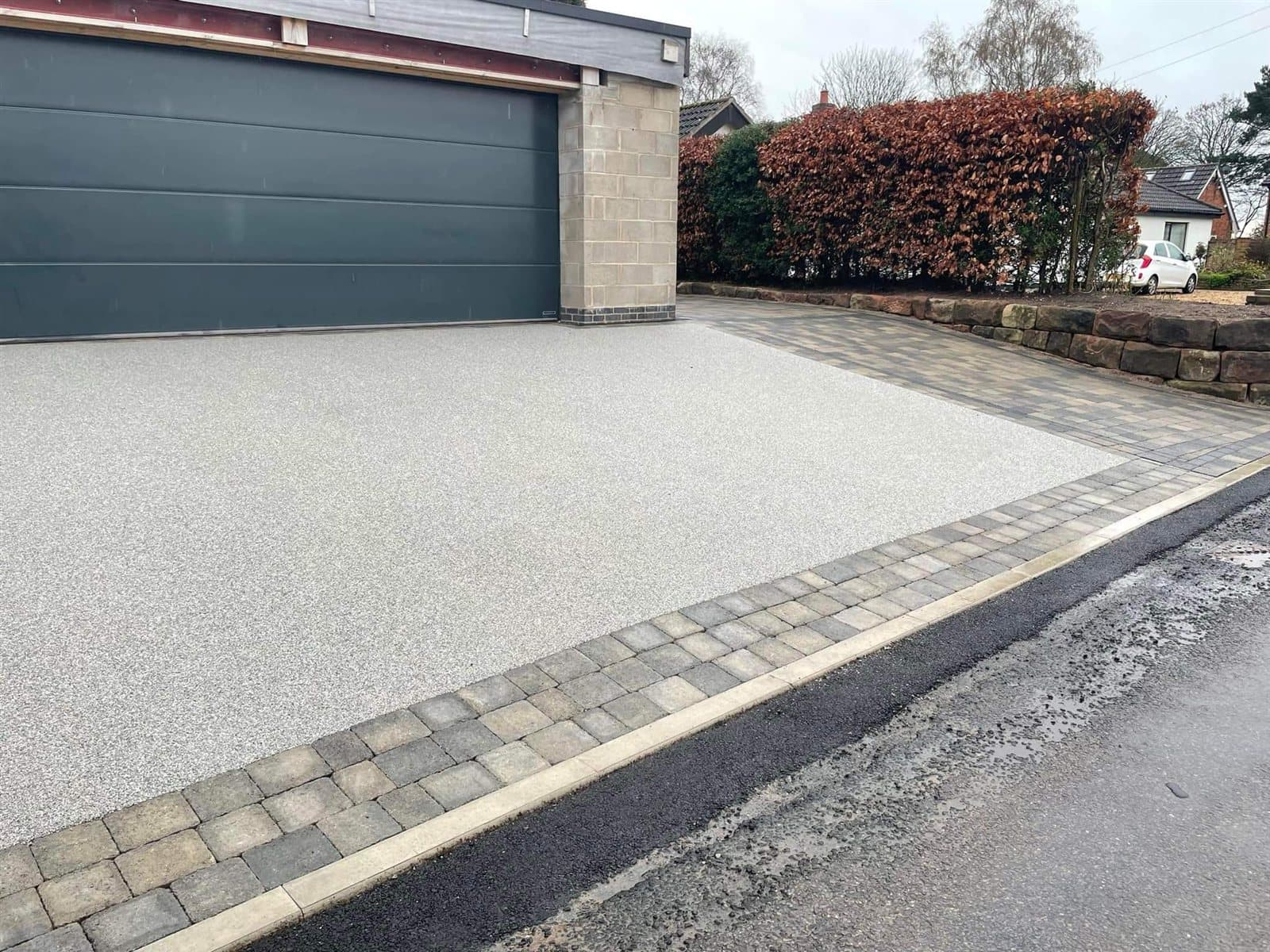
- • Block-paved borders or aprons added for appearance and edge strength
Get a realistic tarmac quote
Tarmac pricing depends heavily on size and access, so it's worth a quick conversation. WhatsApp photos and rough dimensions to 07379 046388 for a steer, or book a free site visit for an exact written quote. For larger or commercial areas we'll talk you through the course build-up so you know exactly what you're getting.